Understanding Tea Ceremony Philosophy
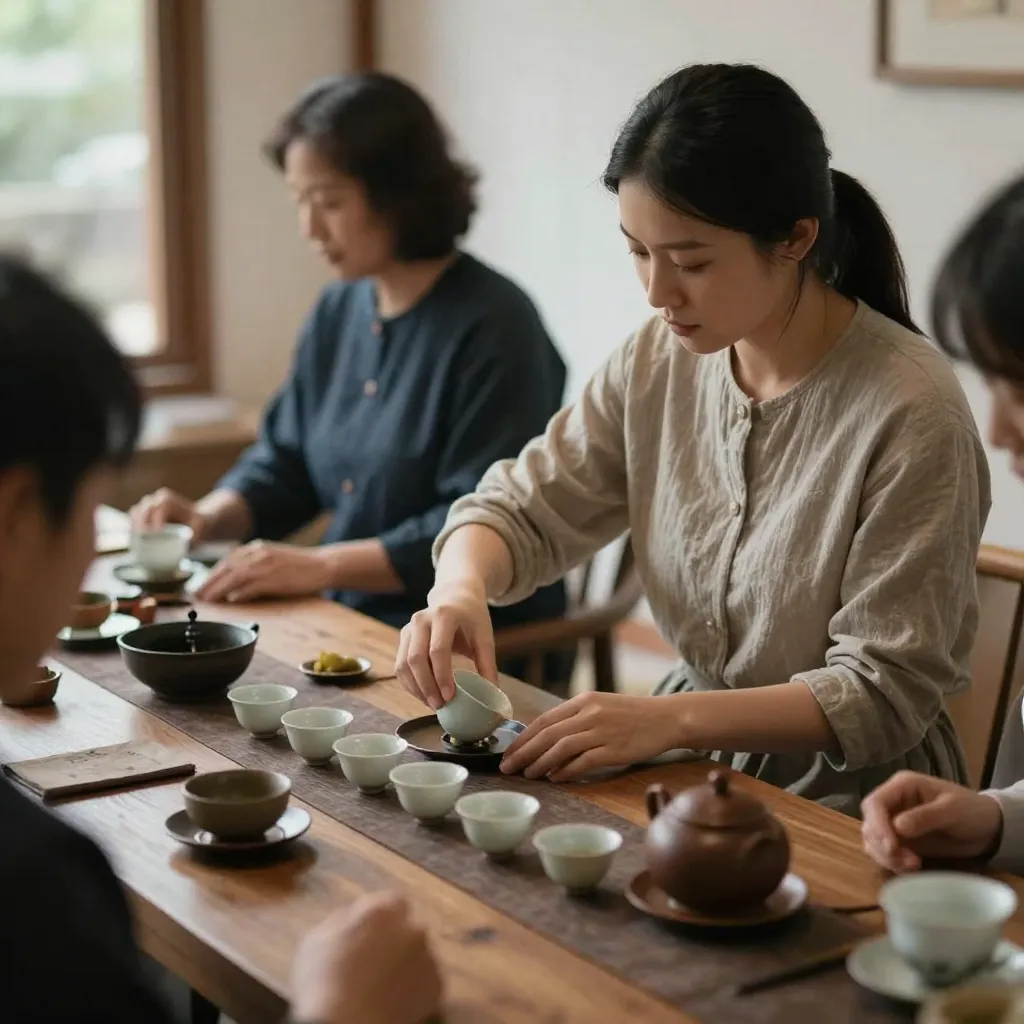
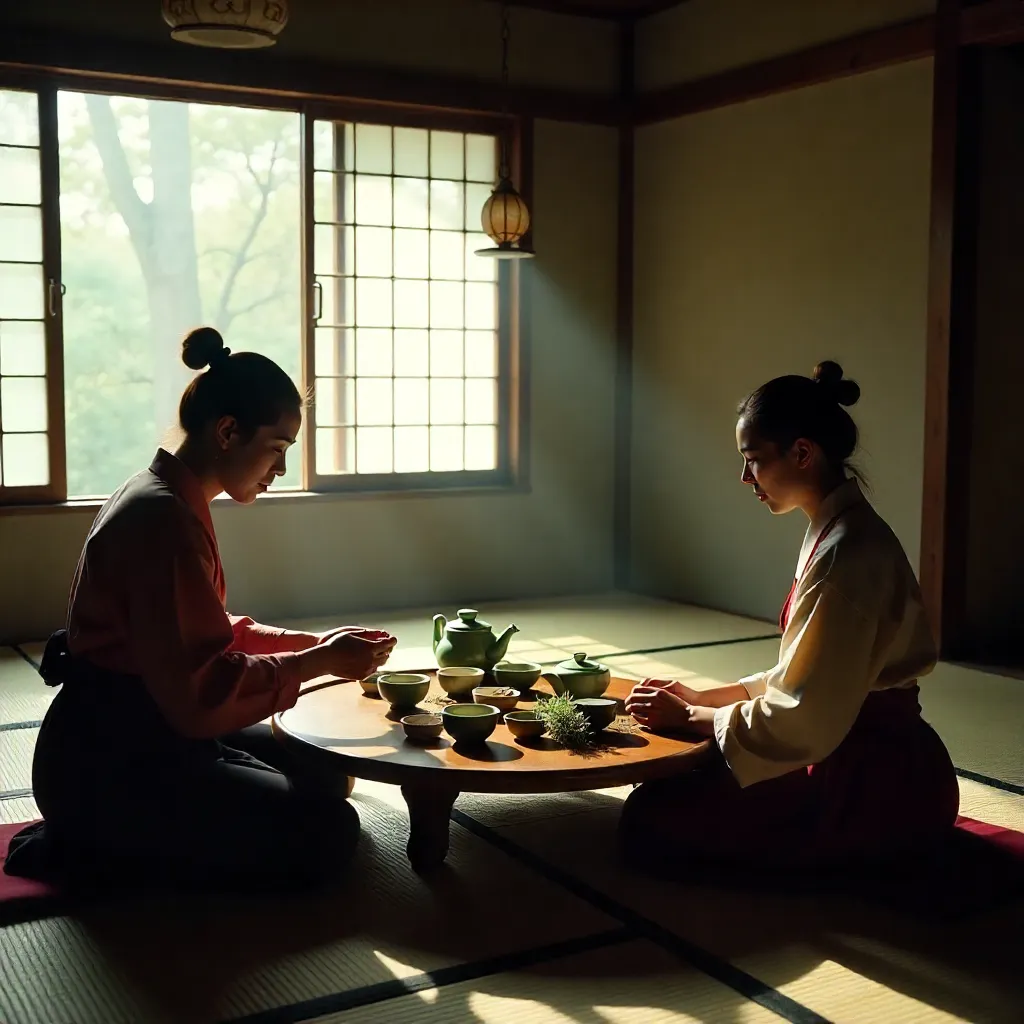
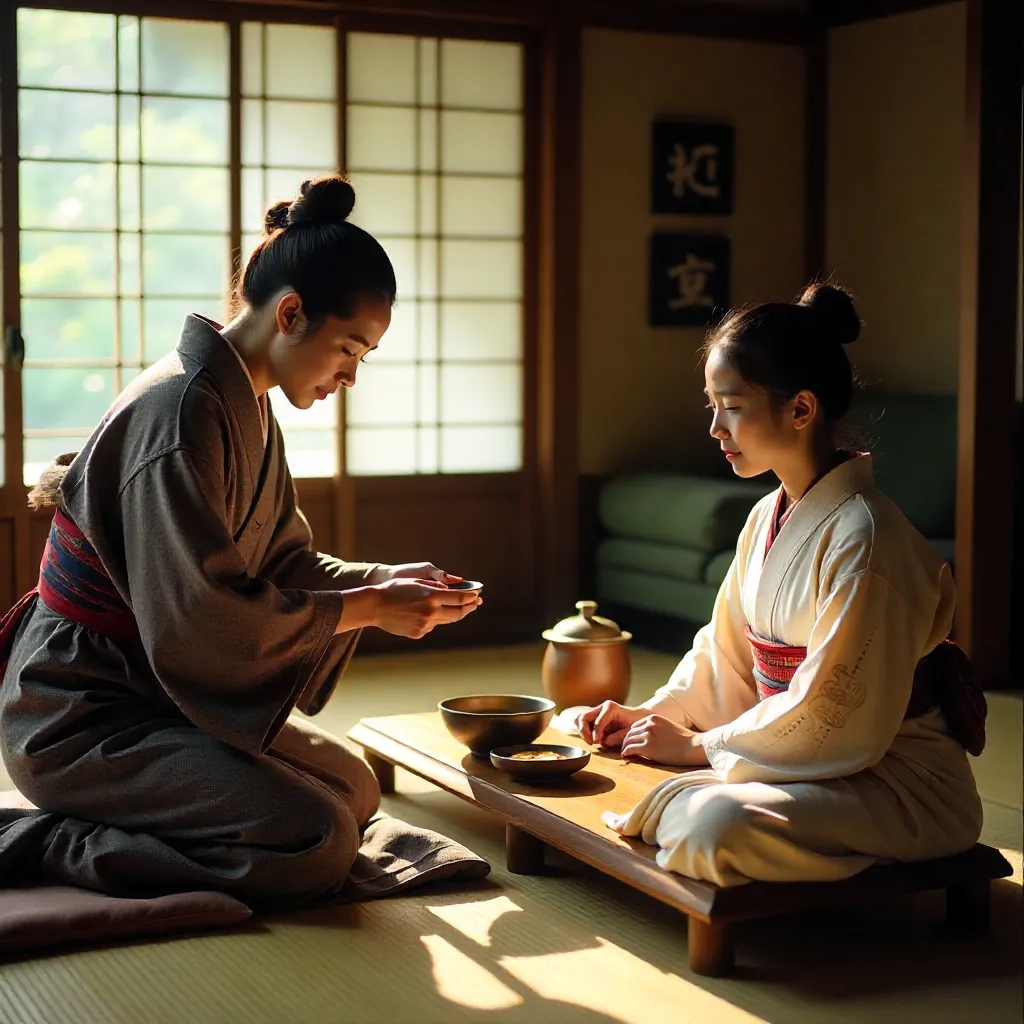
Tea ceremony hosting represents a practice focused on creating moments of calm and reflection. The process involves careful attention to preparation, environment, and the subtle interactions between water, leaves, and time. Each session is designed to provide a space for quiet contemplation and sensory awareness.
Elements of Ceremony Design
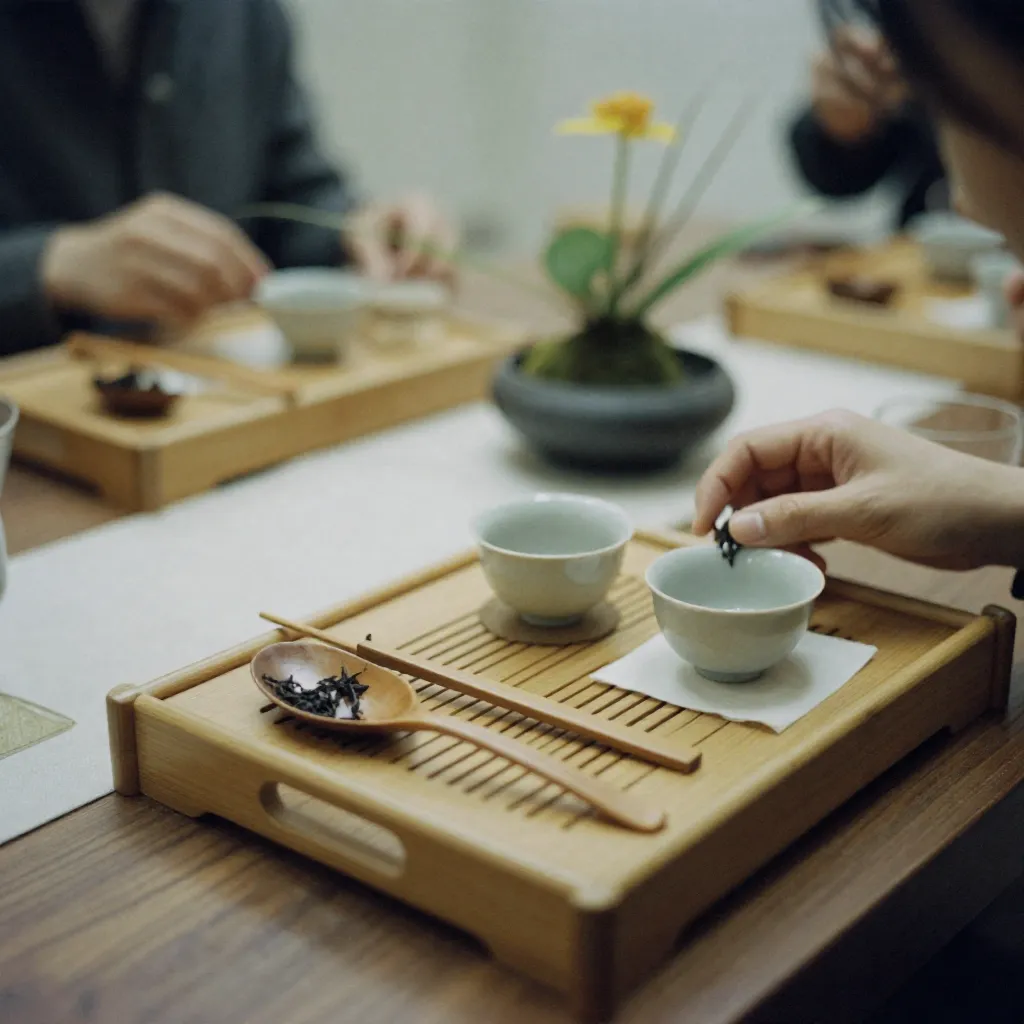
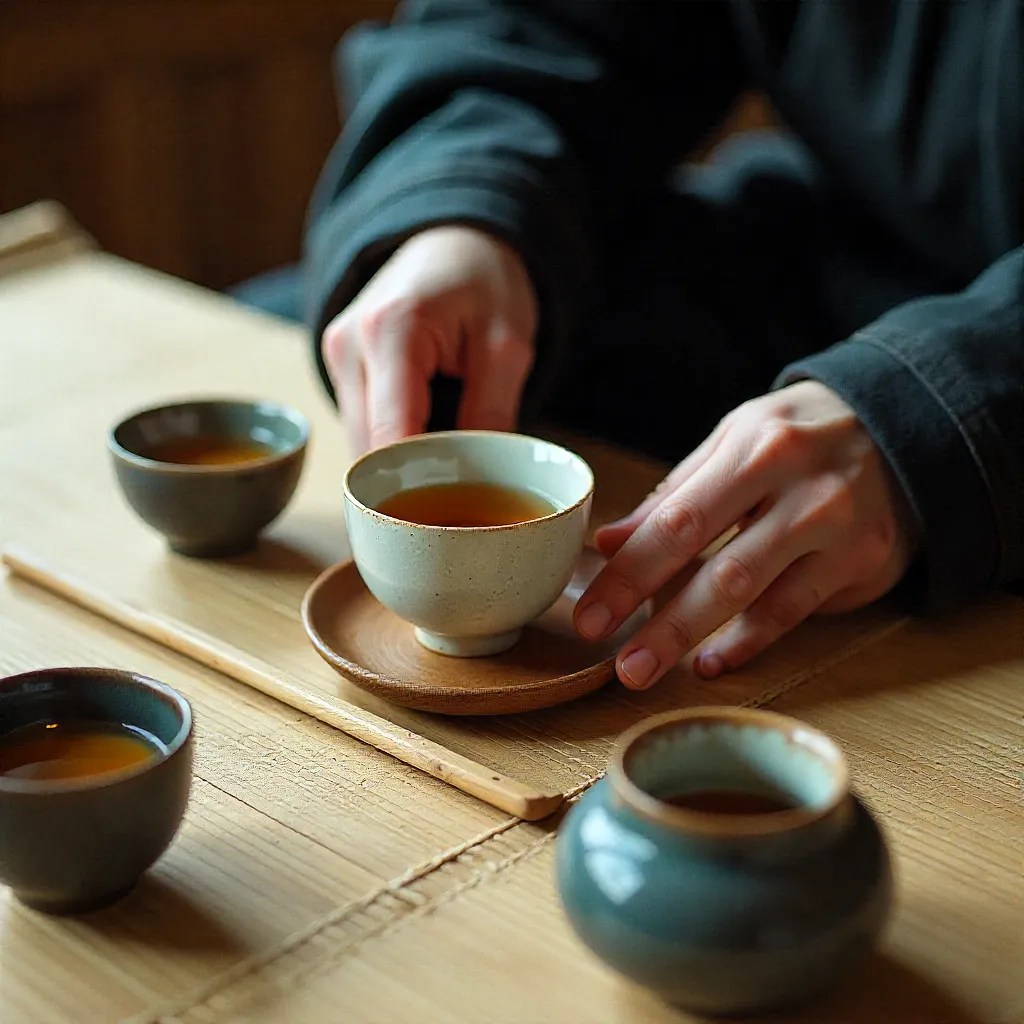
Creating an effective tea ceremony involves understanding several key components. The environment, timing, selection of materials, and approach to preparation all contribute to the overall experience. Each element is considered with intention and care.
Material Selection
Choosing appropriate tea varieties and preparation tools based on the intended atmosphere and participant preferences.
Timing and Rhythm
Understanding how different steeping durations and temperatures affect the final result and overall experience.
Environment Setting
Creating a space that supports focus and relaxation through lighting, arrangement, and ambient considerations.
Approaches to Session Organization
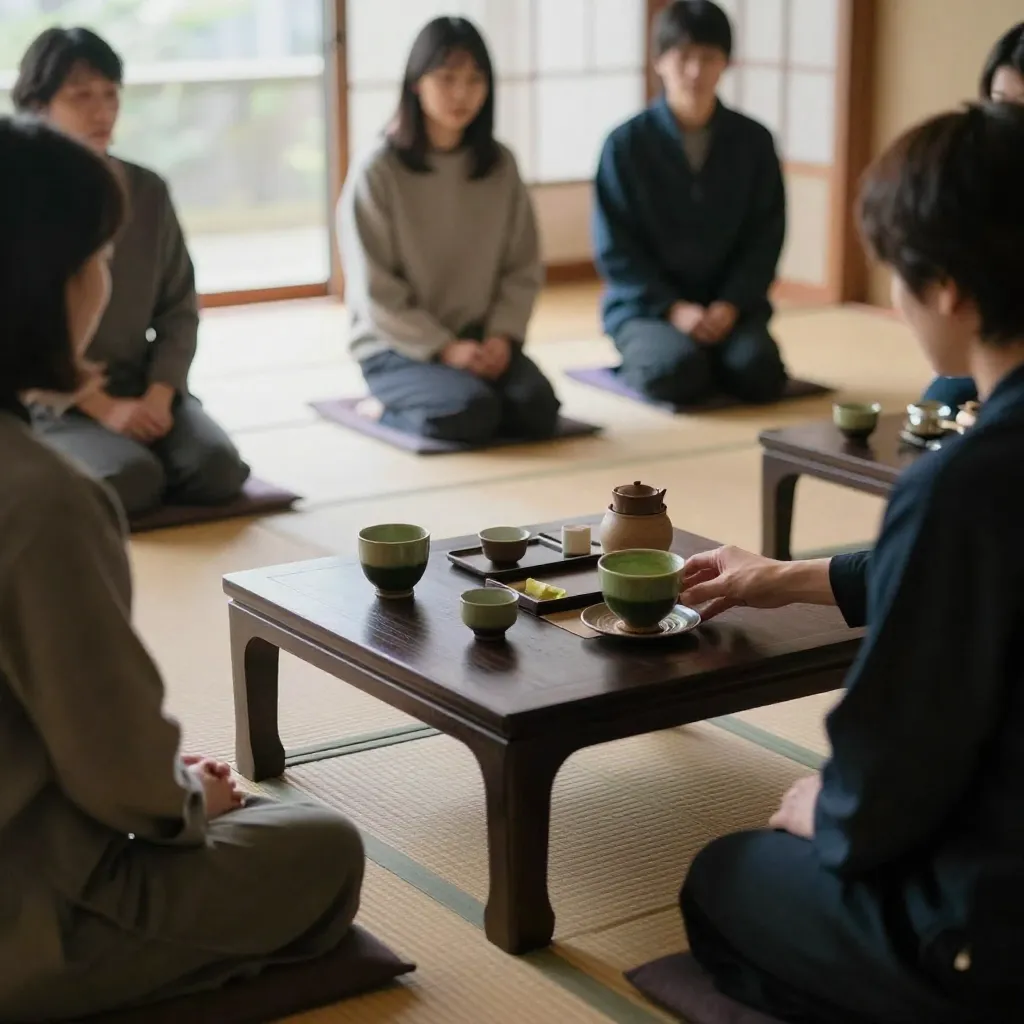
Different methods of organizing tea ceremonies serve various purposes and preferences. Some focus on individual reflection, while others emphasize shared experiences. Understanding these approaches helps in selecting the most appropriate format for each situation.
Technical Considerations
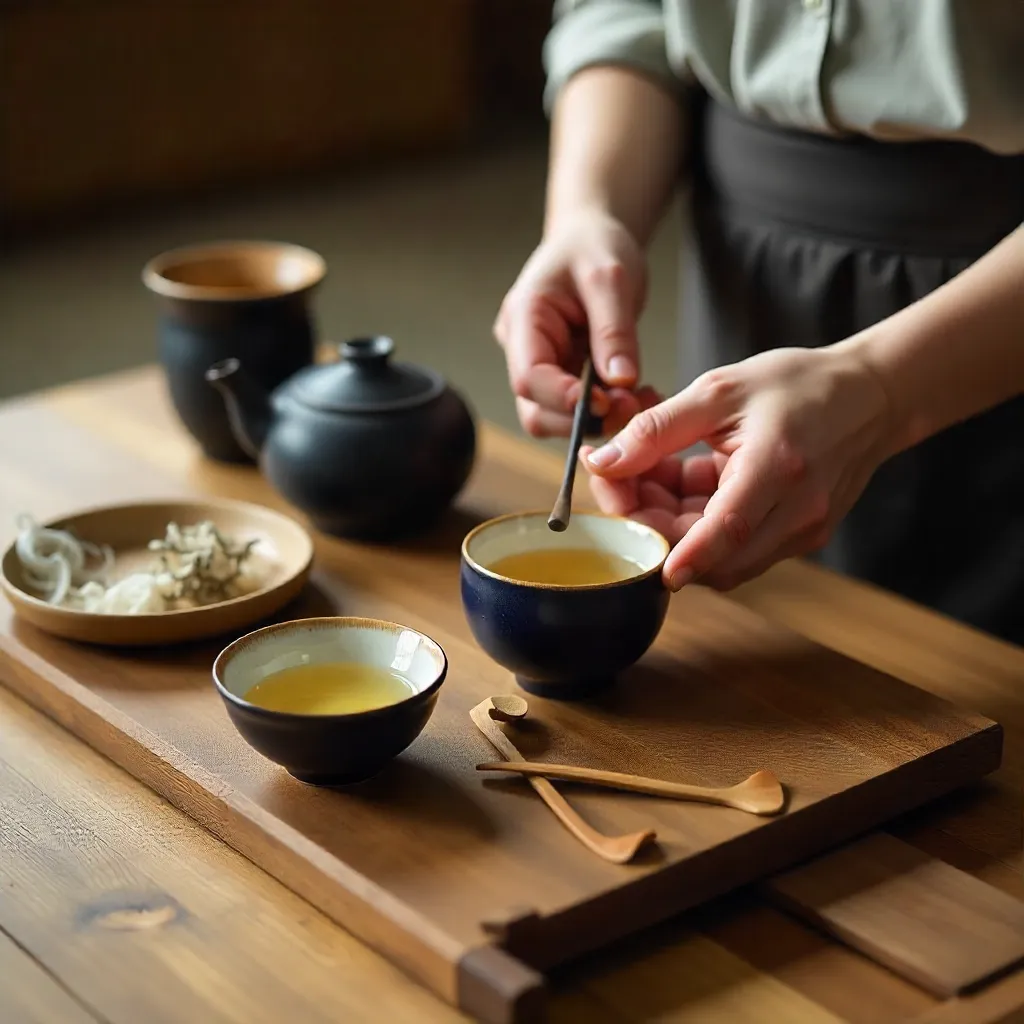
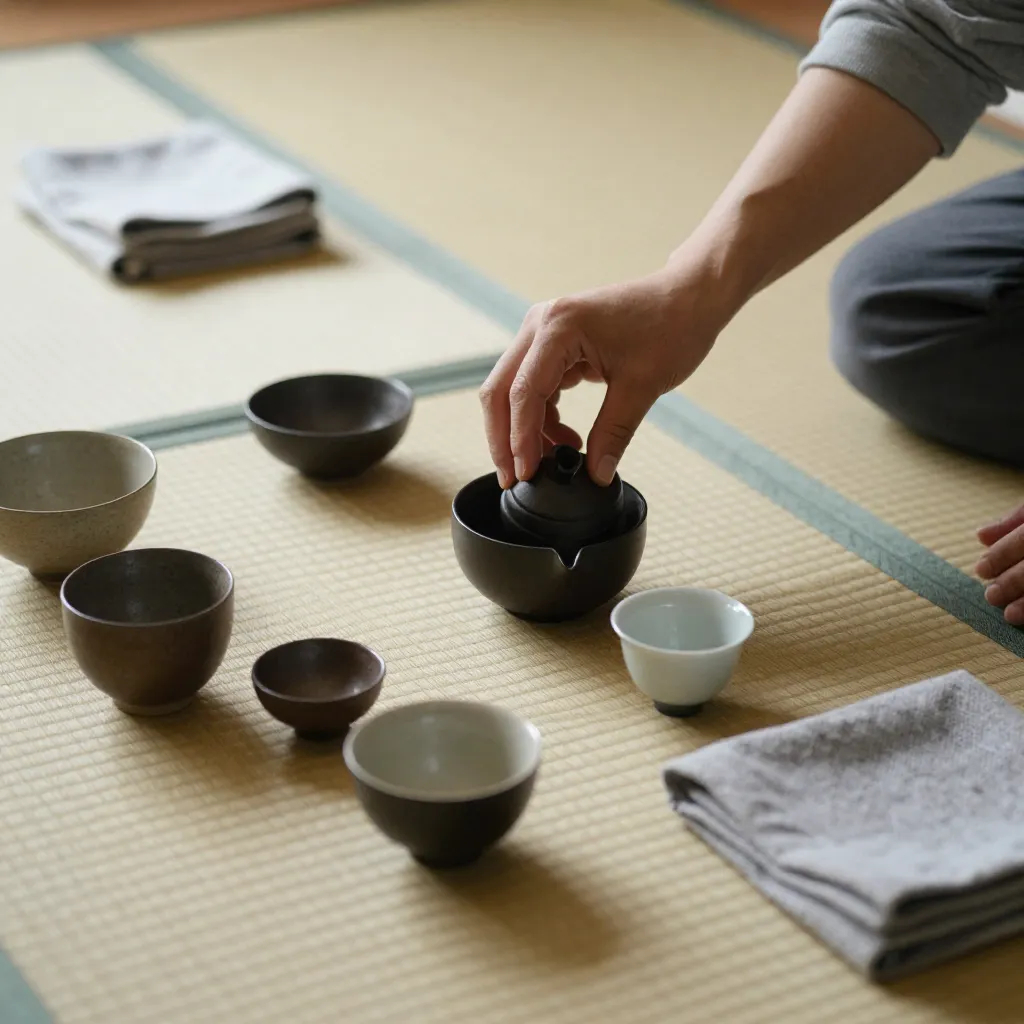
Effective tea ceremony hosting requires attention to practical details. Water quality, temperature control, vessel selection, and measurement precision all influence the outcome. These technical aspects are balanced with intuitive understanding of the process.
Temperature Management
Different tea types respond to specific temperature ranges. Understanding these relationships improves consistency and quality.
Water Quality
The characteristics of water used in preparation significantly affect the final taste and clarity of the tea.
Proportion and Measurement
Maintaining appropriate ratios between tea leaves and water ensures balanced flavor development.